

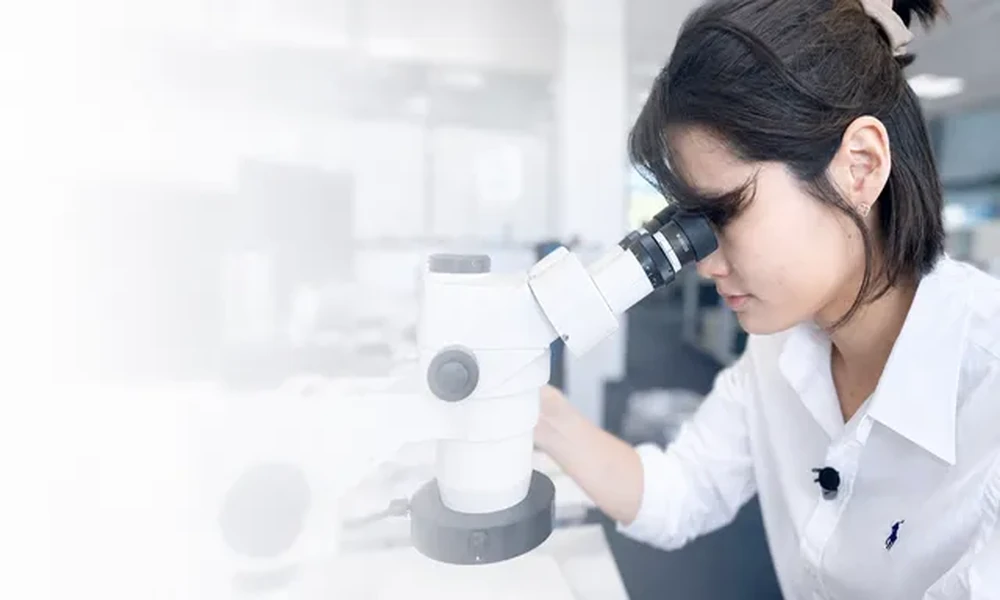
Eyepiece-Free Inspection Systems do not have old optical parts. They use high-definition digital screens instead. This makes it easy for people to look at parts and feel more comfortable. You see clear images and feel less tired in your body. These systems help remove strain and let you finish quality checks faster. People can work quicker and do a good job in factories today. The work is finished well, and output goes up.
The Evolution of Quality Control in Manufacturing
Old optical microscopes have been used for quality control and micro-inspection for many years. But these old tools require people to lean over and look into them for a long time. This can cause problems for people, especially in jobs where things move fast.
Now, people want machines to be quicker, better, and make fewer mistakes. The regular microscopes are not fast or good enough for what people need in factories now.
To work with the limits of what you can see, makers now use new tools for seeing things. A modern ergonomic microscope is used on the assembly line. This tool helps people see small parts on clear screens. Workers do not have to strain their neck, back, or eyes like before. The switch from old eyepieces to digital screens makes work better for people. It also lowers the number of mistakes people make when they feel tired.
Core Advantages of Eyepiece-Free SystemsReduced Operator Fatigue and Enhanced PrecisionHigh-Speed Group Collaboration and TrainingSeamless Digital Integration and TraceabilityKey Industrial Applications
Inspection of Electronics & SMT Assembly: Inspection of fine joints, surface-mount components, and PCB trace connections.
Manufacturing Medical Devices: Inspection of micro-catheters, surgical implants, and seals on sterilized packages. These inspections are carried out under stringent clean room guidelines.
Inspection for Automotive Engineering: Monitoring micro-sized engine components, fuel injectors, and sensor connections to detect any burr or crack.
Inspection of Aerospace & Defense: Detailed inspection of critical wiring harnesses and micro mechanical assemblies.
Frequently Asked Questions (FAQ)
How are eyepiece-less inspection systems different from digital microscopes?
The eyepiece-less inspection systems have unique optics and use special optical glass elements to create 3D images. The 3D images seem to float right before your eyes. The pictures also move or change when they need to. A normal digital system just gives you a flat 2D picture on a screen that you see from outside.
Can eyepiece-free systems be integrated into cleanroom environments?
Yes. Eyepiece-free units have optical heads that are sealed. This helps keep out dust and stops any small bits from breaking away. It also means your face does not touch the unit much. These units work well in ISO-certified cleanrooms.
What is the ROI timeline for transitioning to eyepiece-free inspection?
Most factories make back all the money they spend in about 6 to 12 months. This is because workers need to redo fewer parts. The work goes faster, and there is less time off for strain injuries.
Conclusion
Making the move to eyepiece-free inspection is a big step for companies that need to be exact in how they make things. When you use great digital pictures with an ergonomic microscope setup, your company can improve how well they see quality and take care of their workers’ health. If you upgrade your inspection system, you get better results, follow data rules easily, and make sure your factory can do well in the future.
