

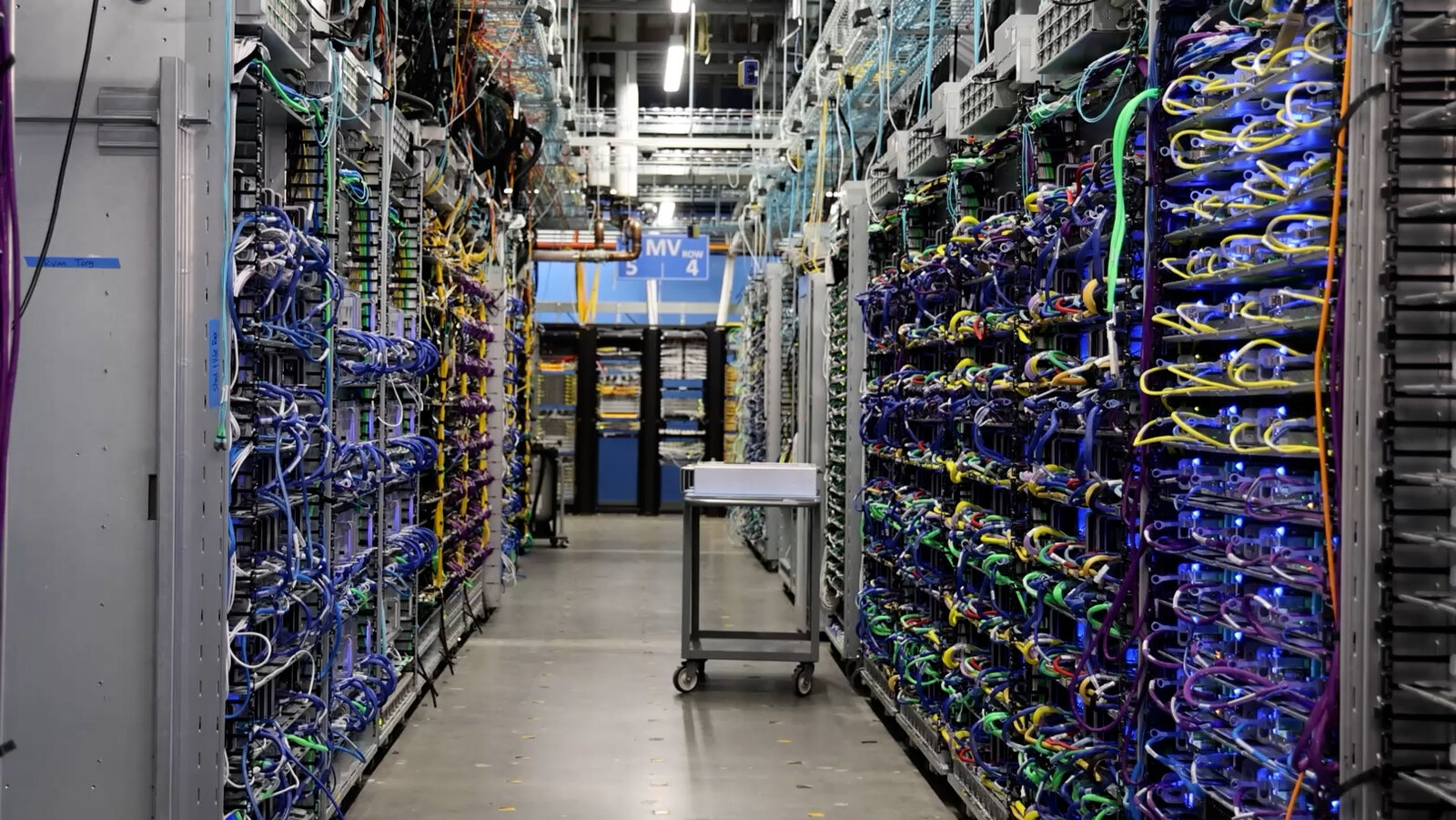
Building a data center is a high-wire act with millions at stake. The difference between a project that comes in on budget and one that spirals out of control often comes down to the details you overlook in the planning phase. Below, we spotlight the hidden traps that can destroy your bottom line, drawing lessons from real-world experience at the scale where a single miscalculation can mean disaster.
The High Stakes of Building a High-Powered Data Center
A facility designed for cutting-edge computing is a beast of its own. Power demands skyrocket. Cooling becomes more than a utility, it is a science. And every hiccup can set off a chain reaction of delays, cost overruns, or even catastrophic failures.
Why Are Cost Overruns So Common in Data Center Projects?
Data center budgets are often busted by the “unknown unknowns.” Unforeseen spikes in utility needs, last-minute equipment upgrades, and integration challenges with legacy systems are just a few of the culprits. Predicting the future is never easy, but failing to plan for growth and flexibility almost always leads to costly retrofits.
The Role of Modularity and Future-Proofing in Budget Planning
The most successful projects treat growth as inevitable. Modularity is not just a buzzword; it is a shield against obsolescence. When a data center is built to evolve, it can expand as needs change, without gutting the original investment.
Case Study: The Montreal Metropolitan Data Center by Stendel + Reich
What does this look like on the ground? Take the Montreal Metropolitan Area project: a 109,000 square foot data center, powered by a massive 10 MW electrical backbone, and equipped with a 35,000 square foot cleanroom. This facility was designed between Uptime Institute classes 2 and 3, a sweet spot for mission-critical reliability and cost control.
Project Scope and Ambitions: 109,000 sq.ft. and 10 MW Power Capacity
Few facilities attempt such scale at launch. Every square foot carries its own set of requirements for power, cooling, access, and security. Matching a 10 MW power plan to evolving tech needs calls for precise forecasting and creative engineering.
Achieving Uptime Institute Standards: Balancing Class 2 and 3 Requirements
Uptime Institute standards are benchmarks for reliability. Designing a center “between class 2 and 3” means threading the needle between redundancy and budget, ensuring core systems can survive outages but without overbuilding every subsystem.
The 35,000 sq.ft. Cleanroom and Its Impact on Design Complexity
Integrating a cleanroom amplifies every challenge. Cleanrooms demand strict environmental controls. This adds layers of complexity to the HVAC, power, and monitoring systems, each a potential flashpoint for delays or budget creep if not planned meticulously.
Pitfall #1: Underestimating Power and Cooling Needs
This is where even seasoned teams stumble. Power and cooling are not “set it and forget it” features. As server density goes up, so do the demands on infrastructure. Misjudging this can lead to emergency upgrades, operational downtime, and staggering costs.
Real-World Impact: Costly Retrofitting and Downtime
Retrofitting power and cooling is always more expensive than getting it right the first time. For example, expanding a chilled water system after the center is operational means ripping up floors, moving racks, and risking data loss.
Designing for 20-Year Growth: Lessons from the Montreal Project
Looking at the Montreal project, the design anticipated a 20-year horizon. That long view allowed the planners to size systems for both present and future loads, reducing the risk of disruptive and expensive retrofits.
Pitfall #2: Neglecting Autonomous Backup Systems
Power outages are not hypothetical, they are inevitable. If backup systems are not robust and autonomous, even minor events can bring operations to a standstill.
The 48-Hour Generator Autonomy Explained
The Montreal facility installed a generator array capable of running independently for 48 hours. This buffer gives teams time to address grid outages without panic, maintaining uptime and protecting sensitive equipment from sudden shutdowns.
Consequences of Insufficient Power Resilience in Data Centers
Without true backup autonomy, organizations risk more than just downtime. They expose themselves to data loss, damaged hardware, and legal liability, all of which far outweigh the cost of robust backup design.
Pitfall #3: Ignoring Modularity and Scalability in Infrastructure
Building for today’s needs is the fastest route to obsolescence. A modular approach, embracing both building layout and equipment selection, can dramatically reduce future costs.
How Modular Design Reduces Long-Term Costs
Modular buildings allow for phased expansion. Equipment can be swapped, racks rearranged, and new technologies integrated without tearing down walls. This flexibility keeps costs predictable as the business scales.
Case Example: Flexible Building and Equipment Choices in the Montreal Facility
The Montreal center’s modularity means each client’s evolving requirements can be met over two decades. This is the difference between a static asset and one that grows profitably alongside the business.
Pitfall #4: Overlooking Construction and Operational Integration
It is one thing to design a powerhouse on paper; it is quite another to unite architecture, engineering, and IT into a smoothly operating whole. Delays often occur at the seams between disciplines.
Coordinating Architecture and Engineering to Avoid Delays
Integrated planning sessions between architects, engineers, and IT ensure that cleanroom requirements do not clash with power distribution, or that generator placement does not compromise future expansion.
Managing Complex Systems: Generator, Cleanroom, and Power Distribution
The Montreal project combined an advanced generator system, a state-of-the-art cleanroom, and a scalable power grid. Each system was mapped to work in harmony from day one, not as an afterthought.
Strategic Takeaways for Cost-Efficient Data Center Planning
The lesson is clear: compliance with reliability standards is non-negotiable, but overbuilding is a trap. The best planners strike a balance, investing up front where it matters and leaving room for smart upgrades down the line.
Building with a Long-Term Vision: Balancing Upfront Investment and Future Needs
Think beyond this year’s needs. The Montreal example shows how long-term planning and modular architecture pay dividends in agility and cost control.
Final Reflections: Avoiding Expensive Surprises in Your Next Data Center Project
Every misstep in data center planning is magnified by scale. The best way to avoid expensive pitfalls is to seek out expertise that has navigated these waters before. For those looking to go beyond basic checklists and truly future-proof their investment, consulting a leader like Stendel + Reich data center architect can make all the difference.
